
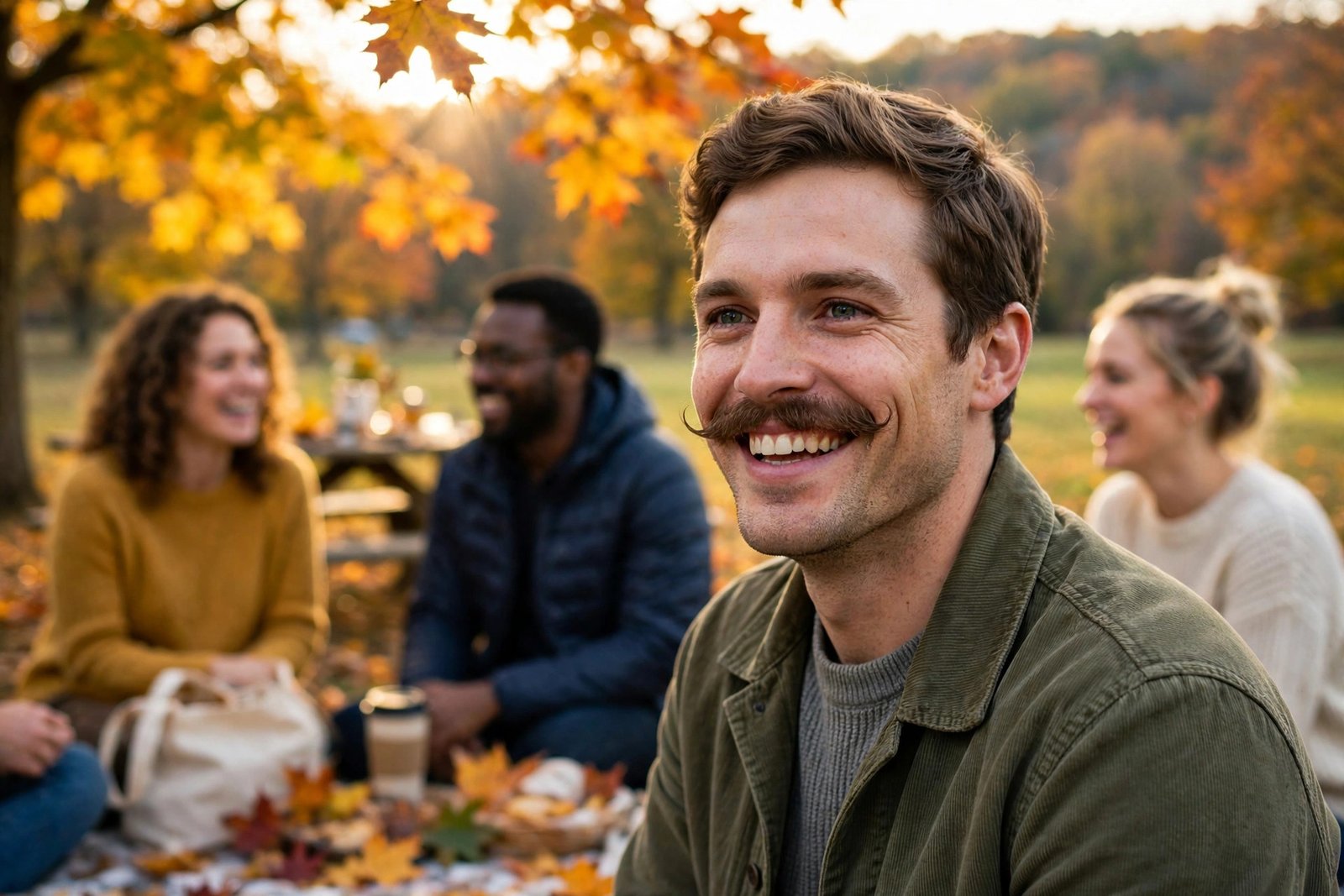
Every November, something strange happens to men’s faces around the world. Clean-shaven guys suddenly sprout moustaches of every shape and size: wispy handlebars, bold walrus styles, and patchy first attempts that their friends tease them about. It is not a fashion accident. It is Movember, a global charity movement that turns facial hair into a force for good. The Movember history behind this hairy tradition is more inspiring than you might expect, beginning with a small joke between friends in Australia and growing into one of the world’s most recognizable fundraising campaigns.
During Movember, men grow moustaches to raise money and awareness for men’s health, with a focus on prostate cancer, testicular cancer, and mental health. Women and supporters join in too, through walking, running, hosting events, or simply spreading the word. What started as a lighthearted challenge has become a serious movement, and its story is a reminder that a silly idea, taken seriously, can change lives.
So where did it all begin, why a moustache of all things, and how can you take part? Grab a mirror, and let’s dig into the story.
Movember History: How a Joke in Australia Started a Movement
The story begins in Melbourne, Australia, in 2003. According to the movement’s own account, a group of friends were chatting over drinks when they noticed that the moustache, once a proud fashion staple, had almost vanished from everyday life. One of them joked about bringing it back. The joke stuck, and the group decided to challenge each other: grow a moustache for the entire month of November, and get friends to sponsor the effort.
The first year was deliberately lighthearted. Around 30 men took part, growing their moustaches simply for fun and conversation. But the idea had an unexpected power. A moustache is hard to ignore. Every time someone asked, “What’s with the moustache?” it opened a conversation, and the group realized that same conversation could carry a serious message about men’s health.
The following year, the challenge found its cause. The group formalized the movement and directed its fundraising toward prostate cancer, a disease that affects a huge number of men but was rarely talked about openly at the time. Men, the organizers noted, were often reluctant to discuss their health, visit a doctor, or admit they were struggling. A moustache gave them an excuse to start talking.
From there, growth was rapid. The movement spread across Australia, then to other countries, and eventually around the world. Today, Movember is observed in many countries each November, with participants raising money through sponsorships and events, and the funds supporting research, treatment programs, and mental health initiatives for men.
Why a Moustache? The Power of a Walking Conversation Starter
Why not a badge, a wristband, or a fun run? The genius of the moustache is that you wear it on your face, and you cannot hide it. Colleagues notice it in meetings. Family members comment at dinner. Strangers ask about it on the street. Each question is a chance to talk about men’s health, and that was exactly the point.
The moustache also flips the usual fundraising script. Instead of asking people to buy something or attend an event, participants change their own appearance, visibly and for a whole month. The commitment is personal and slightly uncomfortable, which is part of the charm. Friends sponsor the effort because they enjoy watching the transformation, from clean-shaven on November 1 to fully moustached by November 30.
There is also humor in it, and humor matters. Men’s health topics like prostate cancer and mental health can feel heavy or awkward to discuss. A funny moustache lowers the barrier. It lets people laugh first, then listen. That combination of comedy and cause is one of the most charming chapters of Movember history, and a big reason the movement caught on so quickly.
Over the years, participants have taken the styling seriously too. Handlebar moustaches, chevrons, horseshoes, and pencil-thin styles all make appearances. Some growers document their progress daily on social media, turning their face into a month-long fundraising billboard.
The Causes Behind the Moustache: Prostate Cancer, Testicular Cancer, and Mental Health
Movember raises money for three major areas of men’s health, and understanding them is essential to understanding Movember history and why the movement matters so much.
Prostate cancer is one of the most common cancers among men. It affects the prostate gland, and risk increases with age. Because early prostate cancer often causes no symptoms, awareness and regular check-ups are crucial. Movember funding has supported research into better detection, treatment, and care for men living with the disease.
Testicular cancer, while less common, is notable because it tends to affect younger men. The message here is simple and practical: know your body, check regularly, and see a doctor promptly if something feels different. Early detection makes a real difference, and Movember campaigns encourage young men to take that message seriously.
Mental health is the third pillar, and in many ways the most urgent. Men die by suicide at much higher rates than women in many countries, and cultural expectations about toughness can discourage men from asking for help. Movember supports programs that encourage open conversations, social connection, and early support for men who are struggling. The message is that talking about mental health is a sign of strength, not weakness.
Together, these three causes give the moustache its meaning. It is not just facial hair. It is a symbol of a commitment to helping men live happier, healthier, and longer lives.
How People Take Part: More Than Just Growing a Moustache
Growing a moustache is the classic way to participate, and the rules are simple. Start November 1 clean-shaven, grow only a moustache (no beard, no goatee) through the month, and raise funds from friends, family, and colleagues who sponsor your effort. The official guidance is to grow a real moustache, not a fake one, and to let it be seen.
But Movember has grown far beyond moustaches alone. Many people take part in other ways:
- Move for Movember: commit to walking or running a set distance during November, raising funds through physical activity.
- Host a Mo-ment: gather friends, family, or colleagues for an event, from a quiz night to a dinner party, and collect donations.
- Mo Your Own Way: create a personal challenge, whether it is giving up something for the month, learning a new skill, or taking on a fitness goal.
- Support others: sponsor a friend’s moustache, share their fundraising page, or simply help spread the message about men’s health.
Women are welcome participants too. While they may not grow moustaches themselves, many take part in the Move challenges, host events, or support the men in their lives. The movement is for everyone who cares about men’s health.
Workplaces have embraced Movember as well. Offices run moustache competitions, teams compete to raise the most money, and some companies match employee donations. The result is a month where conversations about health become normal, even fun, in places where they rarely happen.
Fun Facts About the Moustache Movement
Beyond its serious mission, Movember has collected some delightful trivia over the years. The fun side of Movember history is full of memorable details, and here are a few of the best.
- The name itself is a blend of “moustache” and “November,” and it is often shortened to “Mo” by participants, who call themselves Mo Bros and Mo Sisters.
- The movement began in Australia, but it quickly spread internationally, with participants now found in countries across North America, Europe, and beyond.
- Some participants take styling extremely seriously, waxing and grooming their moustaches into elaborate shapes as the month progresses.
- Celebrities, athletes, and public figures have joined in over the years, helping bring the cause to wider audiences.
- November has become so associated with the movement that many people now simply call it “Movember” rather than November when the moustaches appear.
- The campaign’s lighthearted branding, with its playful moustache imagery, has made it one of the most recognizable charity movements in the world.
The movement’s success also shows how charity has changed in the social media age. A visible, shareable, slightly funny personal challenge spreads far more easily than a traditional appeal, and Movember was ahead of that curve from the start.
Movember History Today: A Global Month With a Serious Mission
Two decades after that first joke in a Melbourne bar, Movember has become a fixture of the charitable calendar. Each November, millions of people encounter the moustache, whether on a colleague’s face, a social media post, or a fundraising page, and each encounter carries the same invitation: think about men’s health, talk about it, and help fund the fight.
The funds raised support a wide range of work, from scientific research into prostate and testicular cancer to community programs that help men stay connected and mentally healthy. The movement also funds efforts to improve how health services reach men, recognizing that many men avoid doctors and need encouragement to seek care early.
Importantly, Movember’s message has broadened over time. It began with a focus on prostate cancer, expanded to testicular cancer, and now places mental health and suicide prevention at the center of its mission. That evolution reflects a growing understanding that men’s health is not just physical. A man’s wellbeing depends on his mind, his relationships, and his willingness to ask for help.
The movement also faces new opportunities. As conversations about mental health become more open, Movember’s playful approach feels more relevant than ever. The moustache remains a door-opener, but the conversations it starts are deeper than they used to be.
How You Can Join In This November
Thinking of taking part? Here is a simple guide to getting started.
- Sign up: register on the official Movember website and create your fundraising page.
- Start clean: shave on November 1 so your moustache growth is visible all month.
- Set a goal: decide how much you want to raise and share your page with friends, family, and colleagues.
- Document the journey: post regular updates and photos, because people love watching the moustache grow.
- Talk about the cause: whenever someone asks about your moustache, tell them what it stands for.
- Not growing? take on a Move challenge, host an event, or sponsor someone who is growing.
If you are not sure about the moustache life, remember that every form of participation counts. A donation, a shared post, or a conversation with a friend about getting a health check can all make a difference. And if you do grow one, wear it with pride: you are part of a global story that began with a joke and became a movement.
For official information and to sign up, visit Movember’s official website, where you can find fundraising tools, health resources, and details about the causes the movement supports.
November is also a month of changing seasons and curious traditions. If you enjoy uncovering the stories behind seasonal customs, you may like reading about the surprising origins of trick-or-treating or America’s most haunted houses and the stories behind them, both of which show how autumn traditions carry histories far stranger than they first appear.
Takeaways Worth Remembering
- Movember began in Melbourne, Australia, in 2003, when friends challenged each other to grow moustaches.
- The movement raises money and awareness for prostate cancer, testicular cancer, and men’s mental health.
- The moustache works as a conversation starter, turning an awkward topic into an easy chat.
- Anyone can take part: grow a moustache, take on a Move challenge, host an event, or donate.
- The message at its heart is simple: men should talk about their health, check themselves, and ask for help when they need it.
Conclusion: One Moustache, One Conversation, One Life at a Time
The best thing about Movember is how small its starting point was. A few friends, a joke, and a challenge to grow some facial hair. Nobody in that Melbourne bar in 2003 could have known their idea would travel the world, fund research, and start millions of conversations about men’s health. But that is exactly what happened, and it is a hopeful reminder that ordinary people can build extraordinary movements.
This November, when you see a moustache sprouting on a friend, a colleague, or a stranger, remember what it stands for. Behind the humor is a serious purpose: helping men live longer, healthier, and happier lives. Ask about the moustache, start the conversation, and maybe even grow one yourself. You never know whose life that conversation might change.
What is Movember?
Movember is a charity movement held each November in which men grow moustaches to raise money and awareness for men’s health, especially prostate cancer, testicular cancer, and mental health. Supporters can also take part through fitness challenges, events, and donations.
When and where did Movember begin?
Movember began in Melbourne, Australia, in 2003, when a group of friends challenged each other to grow moustaches for the month of November. The idea quickly found a charitable purpose and spread from Australia to countries around the world.
What causes does Movember support?
Movember supports prostate cancer research and care, testicular cancer awareness and early detection, and men’s mental health and suicide prevention programs. Together, these causes aim to help men live happier, healthier, and longer lives.
Do you have to grow a moustache to take part?
No. While growing a moustache is the classic way to participate, you can also take on a Move fitness challenge, host a fundraising event, create your own personal challenge, sponsor someone else, or simply donate and spread the message about men’s health.
Why is mental health part of Movember?
Mental health is central to Movember because many men find it hard to ask for help, and men die by suicide at much higher rates than women in many countries. The movement encourages open conversations, social connection, and early support, with the message that talking about mental health is a sign of strength.