
Some of the most terrifying things on the planet do not roar, bite, or flash warning lights. They sit quietly in your kitchen cabinet, your bathroom, or your laundry room — and a viral Reddit dangerous things thread just reminded millions of people of that fact. When an AskReddit user posted a deceptively simple question — “What are really dangerous things most people don’t realize are dangerous?” — the replies poured in by the thousands. Two answers rose above the rest: the shocking, little-discussed medical reality of pregnancy, and the household cleaning chemicals that can create poison gas when mixed in the wrong combination. Both are hiding in plain sight. Both are far more dangerous than most people assume. And according to the thread, almost everyone is guilty of underestimating them.
The thread, later rounded up by Bored Panda’s collection of the best answers, became one of those rare internet moments that is equal parts entertaining and genuinely useful — the kind of discussion people screenshot and send to their friends with the caption “please read this.” So let’s walk through the standouts, add some real-world context, and turn this viral conversation into a public-safety lesson worth sharing.
The Reddit Dangerous Things Thread That Shocked Everyone
AskReddit is famous for surfacing the internet’s collective wisdom — and its collective fears. Most threads are lighthearted: favorite movie quotes, weird habits, what your job really involves. But every so often a question lands that cuts straight to something primal, and this was one of them. The top comments were not about sharks, lightning, or skydiving. They were about everyday life.
What made the thread so gripping was the gap between expectation and reality. Ask anyone on the street what the most dangerous part of modern life is and you will hear answers like car crashes or violent crime. But the Reddit dangerous things answers kept coming back to the ordinary: the detergent under your sink, the pregnancy your sister is excited about, the grain silo in your farming town, the ladder in your garage. The thread’s power came from a simple truth — humans are terrible at assessing familiar risks. The more familiar something is, the more our brains file it under “safe,” even when it is anything but.
Readers also loved how personal the stories were. These were not textbook warnings written by health agencies. They were firsthand accounts: nurses, firefighters, farmers, electricians, and spouses of people who had learned the hard way. That is why the thread spread so far beyond Reddit itself — it felt real because it was real. And if you enjoy this style of crowd-sourced wisdom, you will love our roundup of facts that feel fake but are 100% real, another Reddit thread that broke the internet with its surprises.
Why Mixing Cleaning Chemicals Is One of the Reddit Dangerous Things People Fear Most
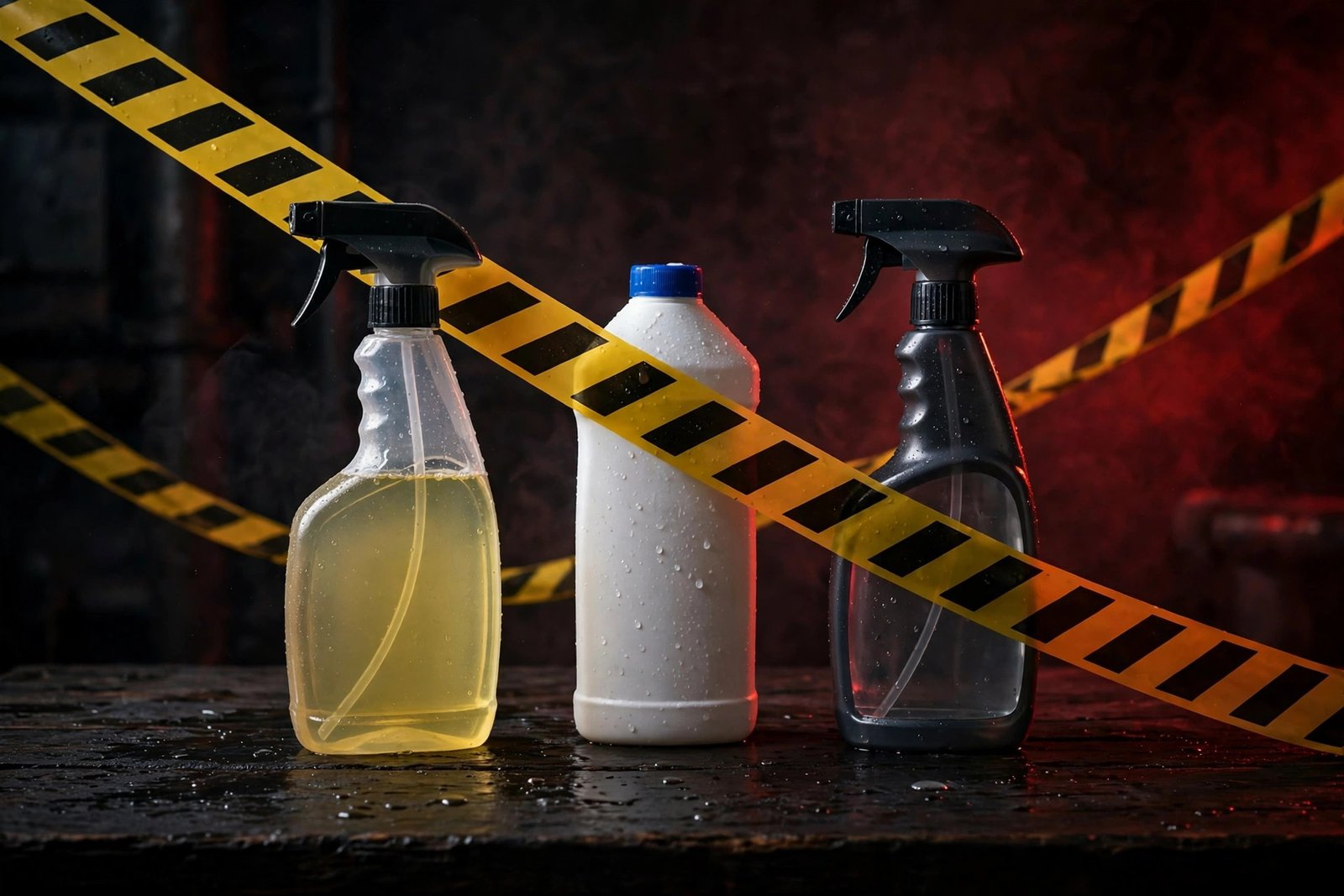
One of the most upvoted and repeated answers in the thread was a warning about mixing household cleaning products — and for good reason. Almost every home contains the ingredients for a chemistry accident, and the worst part is how innocent it looks. A splash of bleach here, a capful of vinegar there, a quick wipe-down. But certain combinations of common cleaning chemicals produce toxic gases that can knock you unconscious, burn your airways, or worse.
Here is what the thread flagged — and what toxicologists and emergency responders have been warning about for decades:
- Bleach + ammonia: Creates chloramine gas, which irritates the eyes, nose, and throat, and can cause shortness of breath and chest pain. Some people mistakenly call the result “mustard gas,” but that is a different chemical — real chloramine exposure is bad enough on its own. Ammonia is present in many glass cleaners and urine, so the combination can happen accidentally.
- Bleach + vinegar (or any acid): Creates chlorine gas, the same substance used as a chemical weapon in World War I. It causes coughing, chest pain, watery eyes, and in enclosed spaces can be fatal. This is the single most dangerous common mistake in home cleaning, because mixing a disinfectant with an acid feels like making a stronger cleaner — when it is actually making a poison.
- Bleach + rubbing alcohol: Can produce chloroform, along with other toxic compounds. Chloroform exposure can cause dizziness, passing out, nausea, and with significant exposure, organ damage. This combination sometimes happens when people mix disinfecting products trying to get maximum germ-killing power.
- Hydrogen peroxide + vinegar: Creates peracetic acid, which can irritate and damage the skin, eyes, nose, and lungs. Many people store both products and use them back to back without realizing the reaction.
The recurring lesson in that discussion was simple: never mix cleaning products, period. Use one product at a time, rinse the surface, and make sure the area is well ventilated. If you ever feel dizzy, nauseous, or short of breath while cleaning, get to fresh air immediately and call emergency services. These gases can overwhelm you faster than you expect — and because the danger is invisible, people often keep cleaning instead of fleeing, which is exactly what makes these combinations so treacherous.
Firefighters and poison control centers report that cleaning-product incidents spike during spring cleaning season and after viral “cleaning hack” videos circulate online. A slick social media video telling you to mix two products for a sparkling toilet might look satisfying — but the chemistry does not care about likes. Stick to products as labeled, one at a time.
Pregnancy: The Most Surprising of the Reddit Dangerous Things
Ask most people whether pregnancy is dangerous and they will wave the question away. Pregnancy is natural, beautiful, celebrated — how could it be dangerous? But one of the thread’s most haunting top-level stories came from a commenter who watched his wife nearly die, and it stopped thousands of readers cold.
According to the thread, the commenter — posting under a handle like Iamthetophergopher — is married to a medical professional, and even with top-tier medical knowledge in the family, her pregnancy turned into a cascade of life-threatening complications. As described in the post, she developed placenta previa (the placenta covering the cervix, which can cause severe bleeding), preeclampsia (dangerously high blood pressure that threatens both mother and baby), and a heart arrhythmia — and the labor itself became perilous. The commenter described being terrified that he would lose his wife, and how the experience permanently changed his view of what pregnancy involves.
The reason this answer resonated so deeply is that modern culture tends to treat pregnancy as routine — something bodies just do. And in many cases, everything goes fine. But the conversation exposed a blind spot: maternal complications are real, they can escalate frighteningly fast, and even healthy pregnancies in well-resourced settings can turn critical. Globally, the World Health Organization has reported hundreds of thousands of maternal deaths per year — and even in high-income countries like the United States, the maternal mortality rate is notably higher than in other wealthy nations, a fact that has drawn extensive reporting from major outlets.
The takeaway from the thread was not fear — it was respect. Readers praised the commenter for saying out loud what so many families learn in private: pregnancy is a major medical event, not just a lifestyle milestone. Expectant parents deserve excellent prenatal care, honest conversations with their providers about warning signs, and a support system that takes those risks seriously. Anyone reading who is expecting, or planning to be, should know the red flags — severe headaches, vision changes, sudden swelling, heavy bleeding, chest pain — and treat them as emergencies rather than inconveniences.
More Everyday Dangers From the Reddit Dangerous Things Thread
Beyond the two headline answers, the thread was packed with other everyday hazards that most people underestimate. Several are worth highlighting because they fit the thread’s core theme — danger hiding in the familiar:
- Grain bins and silos: Farmers in the thread explained that grain behaves like quicksand. A person can sink and suffocate in seconds, and rescue attempts often make things worse because a second person falls in too. Rural communities quietly lose people to this every year.
- Ladders: Emergency responders noted that ladder falls are one of the most common serious household accidents — people climb onto roofs and gutters without a spotter, on uneven ground, or while carrying heavy loads, and the falls cause broken bones and head injuries far out of proportion to how casual the task felt.
- Rip currents: Beachgoers drown in them constantly, not because the current pulls you under, but because panic makes people swim directly against it until they exhaust themselves. Swimmers who calmly swim parallel to shore survive; those who fight it often do not.
- Garage doors and heavy appliances: Several commenters mentioned old garage door springs and unsecured furniture as silent killers, particularly for children. A bookshelf that is not anchored to the wall can crush a toddler in seconds.
- Dehydration and heat: People underestimate how quickly heat illness escalates, especially for kids in cars, athletes, and outdoor workers. What starts as a headache and nausea can become a medical emergency within an hour.
The pattern is unmistakable: the things that kill and injure the most people are rarely exotic. They are the everyday objects and routines we stop noticing. That is precisely why the thread hit a nerve — it held up a mirror to the gap between what feels risky and what actually is.
Takeaways: How to Respect the Everyday Dangers
The thread was not meant to make anyone paranoid. It was meant to make people informed. Here are the practical lessons distilled from thousands of comments:
- Never mix cleaning chemicals. One product at a time, ventilate the room, and keep bleach far from ammonia, acids, and alcohol. Teach this rule to everyone in your household, including teenagers who might be cleaning for the first time.
- Take pregnancy seriously as a medical event. Attend every prenatal appointment, learn the warning signs, and never hesitate to call your provider or go to the emergency room if something feels wrong. Trusting your instincts saves lives.
- Read the label, every time. Whether it is a ladder’s weight limit, a medication’s interactions, or a cleaning product’s warnings, the information is printed for a reason.
- Respect water, heat, and heights. Swim near lifeguards, hydrate before you feel thirsty on hot days, and never climb a ladder alone.
- Anchor heavy furniture. Bookshelves, dressers, and TVs should be secured to the wall — this is a cheap fix that prevents one of the saddest categories of child injury.
- Share the thread. The best safety advice is the kind people actually read. Threads like this one work because they are human stories, not fine print.
Threads like this one remind us why crowd-sourced curiosity is such a powerful force. A single question, asked casually on Reddit, produced a safety masterclass better than most pamphlets. If you enjoy watching ordinary internet users stumble onto extraordinary truths, check out our piece on how AI did 10 days of work in 3 hours, according to Reddit — another thread where regular people accidentally documented the future.
Frequently Asked Questions
What is the Reddit dangerous things thread?
It is an AskReddit thread that asked users, “What are really dangerous things most people don’t realize are dangerous?” It drew thousands of replies, with the most upvoted answers focusing on the underappreciated medical risks of pregnancy and the danger of mixing common household cleaning chemicals.
Which cleaning product combinations are the most dangerous?
The four combinations flagged in the thread are bleach with ammonia (chloramine gas), bleach with vinegar or any acid (chlorine gas), bleach with rubbing alcohol (chloroform), and hydrogen peroxide with vinegar (peracetic acid). The rule of thumb is simple: never mix cleaning products — use one at a time in a ventilated space.
Is pregnancy really that dangerous?
Pregnancy is usually safe in high-income settings, but it carries real medical risk, including preeclampsia, hemorrhage, infection, and cardiac complications. The thread highlighted one family’s frightening experience to show that complications can escalate quickly and that excellent prenatal care and knowing the warning signs genuinely matter.
What are some other everyday dangers people underestimate?
Thread commenters also flagged grain silos, ladder falls, rip currents, unsecured furniture, heat illness, and garage door springs as everyday dangers hiding in plain sight — all far more common sources of serious injury than the exotic threats people tend to fear.
Where can I read the original Reddit thread?
The original AskReddit thread on dangerous things most people underestimate is still live on Reddit, and a curated roundup of the best answers on Bored Panda collects the top responses in one place.